
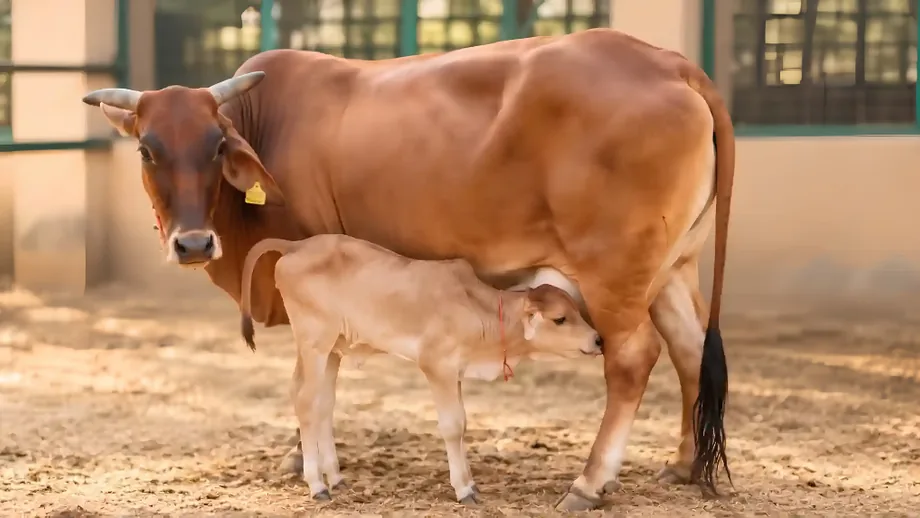
Pratapgarh Vedic Gau Gram
About Pratapgarh Pure
Pratapgarh Pure is the ghee made at our own gau gram, on the family's land near Jhajjar in Haryana. The cows came first, then the milk, then the makkhan. The jar is the part that leaves.
The farm the ghee is made on
35 acres. Pratapgarh Farms has worked this land since 2008: fields, orchards and lawns near Delhi NCR.
Best Tourism Village of India, 2023. The Ministry of Tourism named the farm the Best Tourism Village of India in 2023.
Approved by the Department of Tourism, Haryana. The Government of Haryana has approved the farm every year since 2008.
Big FM Big Impact Creator Award. The farm took the award home in 2024, 2025 and 2026.
Haryana's Chief Minister. Manohar Lal Khattar has visited the farm.
The G20, March 2023. The farm hosted the G20 Anti-Corruption Working Group — the first such meeting India held as G20 president — and the delegates went home with the ghee we make.
Visitors rate the farm 4.8 out of 5, from 30,516 Google reviews
How our gaupals keep the cows
-

They move where they choose
The cows walk the gau gram as they choose through the day, and come to the gaushala for the music.
-
Mornings begin with a havan
The day at Pratapgarh Vedic Gau Gram opens with a havan.
-
Shlokas on the walls
The walls around the gaushala carry shlokas from the vedas, painted by hand.
-
Shri Gopal Ji mandir
Shri Gopal Ji mandir stands at the centre of the gau gram.
Panch Sanskars: how the ghee is made
Pratapgarh Pure starts as milk and becomes ghee in five sanskars. The milk is boiled. It is curdled. The curd is churned in a wooden bilona. The makkhan is separated and lifted out. Then it is simmered slowly, until all that is left is ghee.
Bilona Panch Sanskar
Pratapgarh Pure Ghee is made in 5 steps following the centuries old Vedic process.

01
Boiling
A low flame. A slow boil. Just gentle heat, taking its time to bring out a richer, deeper flavour.

02
Curdling
A spoonful of our own curd starts it. For hours, left undisturbed to set slowly and naturally into a curd that is thick, creamy and full of nutrition.

03
Churning
The wooden bilona turns, slowly and steadily. You can hear the gentle slosh of buttermilk, as the butter starts to gather.

04
Separating
The butter is gathered gently. And the buttermilk is saved to be served to our guests. Because here, nothing good goes to waste.

05
Heating
The butter is simmered gently. Until it turns clear, golden and fragrant — with that warm, nutty aroma you know before you taste it. That's when it becomes ghee.
Testing
Two labs, and the milk goes to the first one
The milk is tested on thirteen parameters in the farm's own lab before production begins. The finished ghee goes to a third-party lab, and that report is published in full, for you to read before you buy.
The people
The women who make it
The ghee is made by a team of women from the villages around the farm, working with supervisors who served in the army. They work by hand, in small batches, and the rhythm of it is the same every morning.
The three ghee are here
Read the third-party reports for the finished ghee, then meet the three jars. If you are deciding between them, the quiz takes about a minute and asks for no email.