
Pratapgarh Pure
Pure Bilona Desi Ghee
- Authentic Bilona Method
- Made from Makkhan
- Lab-tested Milk
- Made at Pratapgarh Vedic Gau Gram
Not sure which ghee?
Answer 4 questions and we’ll match you to the right jar.


देशा में देश हरियाणा, जित दूध -दही का खाणा
From Pratapgarh Farms to Your Table
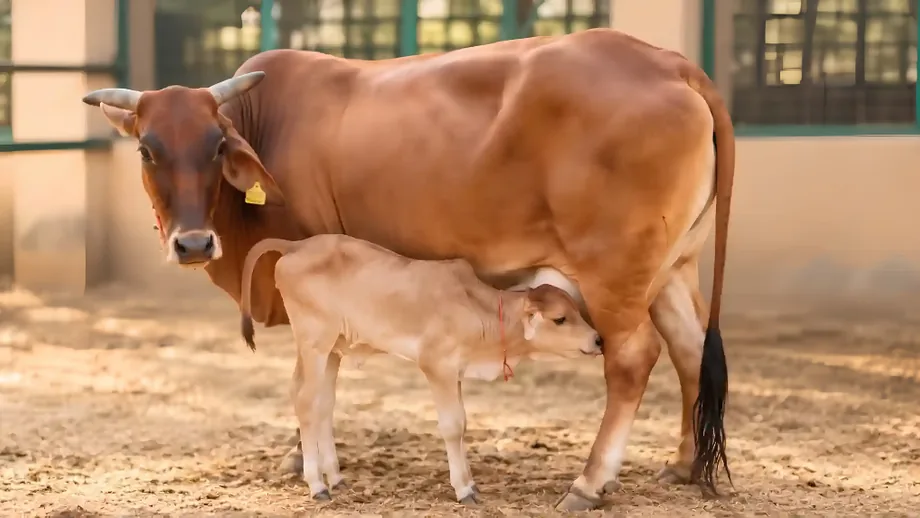
Since 2008, Pratapgarh Farms has been committed to quality, and that commitment shows. It shows in how our gaupals care for the cows. It shows in our lab, which tests the milk each morning. That commitment carries from our makkhan into the ghee. This is the jar you keep for your own family’s table.
Bilona Panch Sanskar
Pratapgarh Pure Ghee is made in 5 steps following the centuries old Vedic process.
Bilona Panch Sanskar
Pratapgarh Pure Ghee is made in 5 steps following the centuries old Vedic process.

01
Boiling
A low flame. A slow boil. Just gentle heat, taking its time to bring out a richer, deeper flavour.

02
Curdling
A spoonful of our own curd starts it. For hours, left undisturbed to set slowly and naturally into a curd that is thick, creamy and full of nutrition.

03
Churning
The wooden bilona turns, slowly and steadily. You can hear the gentle slosh of buttermilk, as the butter starts to gather.

04
Separating
The butter is gathered gently. And the buttermilk is saved to be served to our guests. Because here, nothing good goes to waste.

05
Heating
The butter is simmered gently. Until it turns clear, golden and fragrant — with that warm, nutty aroma you know before you taste it. That's when it becomes ghee.
The farm
Where the morning starts with a havan
At Pratapgarh Vedic Gau Gram, morning doesn’t start with a clock. It starts with a havan.
Gaupals serve cows the Vedic way—ritual, care, and compassion before all else. At its heart stands the grand Shri Gopal ji temple.
Pratapgarh Vedic Gau Gram. Here, cows are not just raised. They are cared for with utmost passion.
-
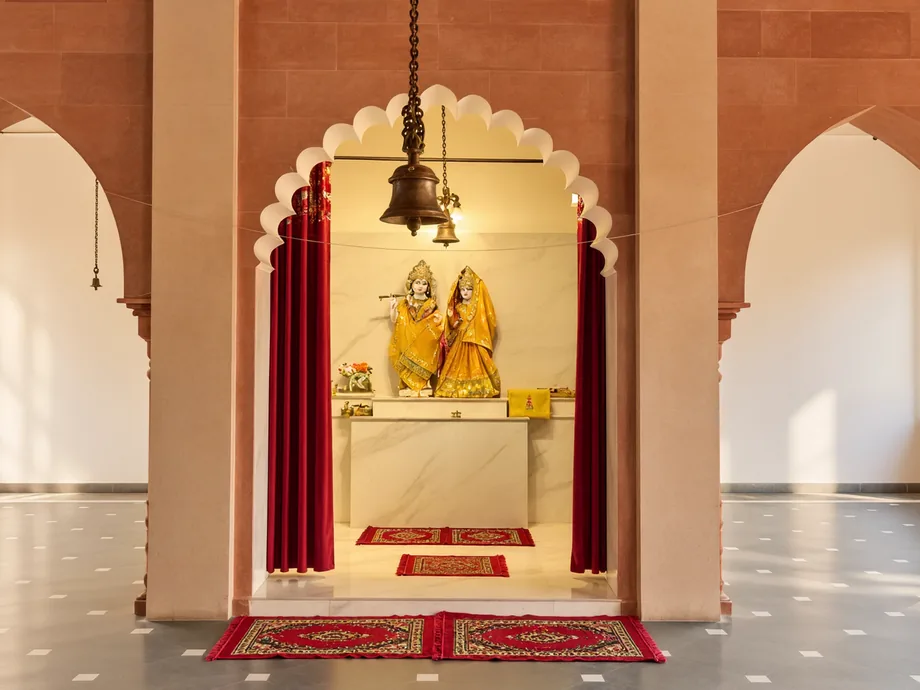
Shri Gopal Ji temple, at the heart of the gram
-
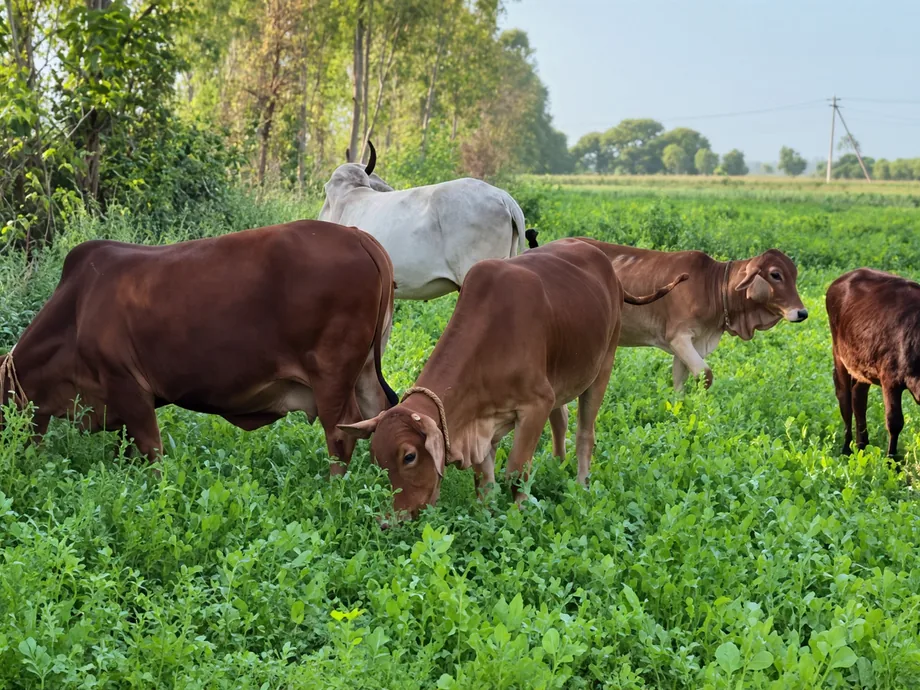
The herd out to graze
-
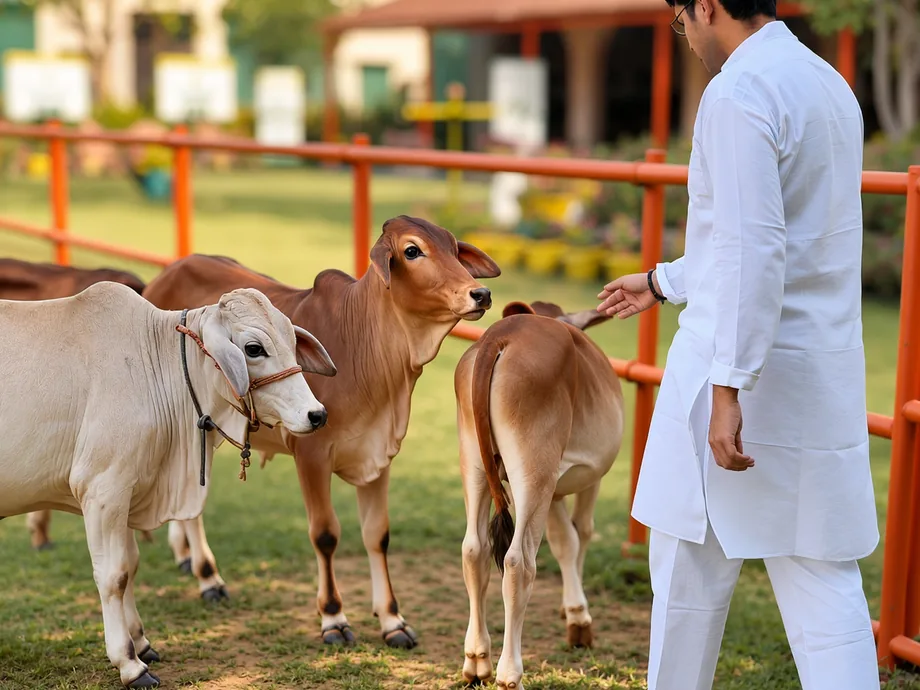
Calves at the gaushala
-

Radha and Krishna, dressed for the festival
-
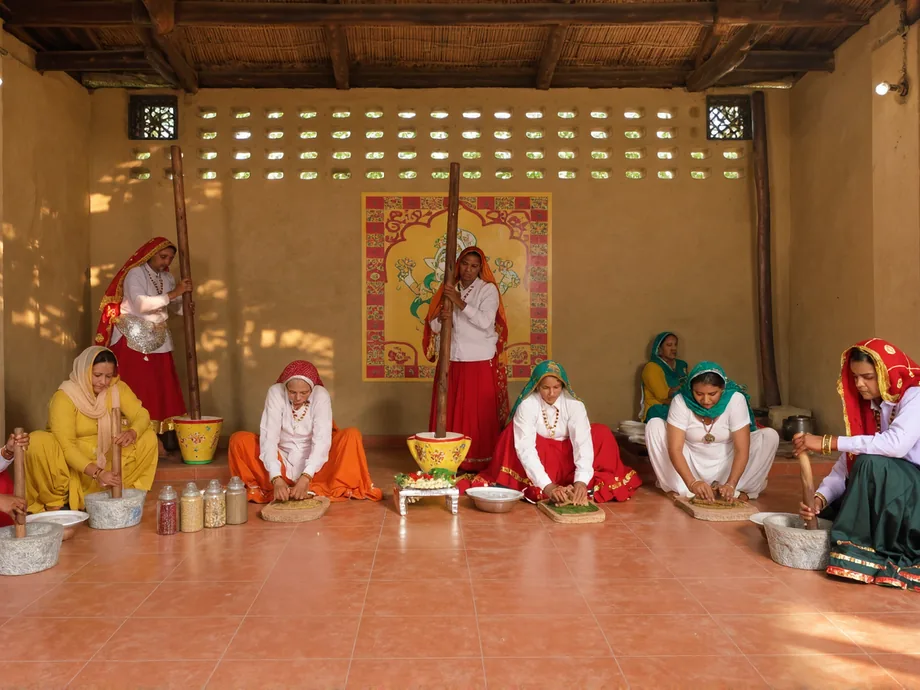
Women of the gram, grinding grain by hand
Choosing
Which ghee should you buy?
The craft is the same in every jar. The milk is what changes. Desi cow ghee is the everyday gold — soft, grained, and it gives the moment it meets a hot roti. This is the jar a kitchen keeps for dal and sabzi, tadka and paratha. A2 bilona cow ghee is the same craft from our own Sahiwal, Hariana and Gir cows, milked at the farm and recorded cow by cow; it is the daily spoonful. Murrah buffalo ghee is white in the jar and thick enough to hold the spoon. Buffalo milk is the richer milk, and this is the ghee halwa, ladoo, gulab jamun and deep frying were made for.
Purity
How to tell if ghee is pure
Aroma is the first test and the cheapest: real ghee announces itself warm and nutty the moment the lid comes off. Then the look — cow ghee runs deep gold, buffalo ghee is white, and real grain is grain you can see. Then the melt — a little on your finger softens at once, and on a hot roti it disappears into the bread instead of sitting on top of it. To test a jar that is not ours, shake 1 ml of melted ghee with 1 ml of concentrated hydrochloric acid and half a teaspoon of sugar; no colour change means no vanaspati. Iodine turns purple or blue where starch has been added. The acid is corrosive, so handle it with care or let a lab run it.
Questions about buying ghee
What is A2 ghee, and how is it different from desi cow ghee?
A2 describes the milk, not the method. Every drop of milk carries a protein called beta-casein, and it comes in two forms: A1 and A2. Sahiwal, Hariana and Gir cows give A2 milk by breed. A2 bilona cow ghee is made from the milk of those cows, and desi cow ghee is cow ghee made the same bilona way. The difference between our three ghees is the milk, never the craft.
How much milk goes into one kilo of ghee?
A2 bilona cow ghee takes about thirty litres of our own cows’ milk for every kilo. Sahiwal, Hariana and Gir are indigenous breeds, and an indigenous cow gives a fraction of what a crossbred gives in a day.
Which ghee should I use for sweets and halwa?
Murrah buffalo ghee. Halwa, ladoo, puran poli and gulab jamun are made with it, and it is the traditional choice for panchamrit. It sets firm and danedar, so the grain holds all the way to a hot paratha.
Can I fry and make tadka in ghee?
Ghee takes 245 to 250 °C before it smokes, and most cooking happens between 180 and 200. A tadka browns without scorching, and frying keeps its flavour through a long simmer.
What does one litre of ghee cost?
₹1,205 for Murrah buffalo, ₹1,640 for desi cow and ₹2,599 for A2 bilona cow. Each is one litre in an airtight glass jar, with free shipping anywhere in India.
Do you deliver across India, and how long does it take?
Yes. We dispatch in one working day, and delivery is 1–3 days door to door, anywhere in India. Shipping is free.
How long does a jar of ghee last?
A year at room temperature. Ghee is almost entirely fat with barely any moisture, so there is very little for microbes to work with.
How should I store ghee?
Keep it in a cool, dark place with the lid closed, and take a dry spoon to the jar — water is the one thing that spoils ghee. A grainy texture in cold weather is normal; that is the fat setting, not spoilage.
Is your ghee tested in a lab?
The milk is tested at our own lab at the farm before it becomes curd, on thirteen parameters. The finished ghee also goes to an independent lab, and we publish that report in full — every figure and the date it was issued.